Episodes

323
Sept. 20, 2026
Bob Ezrin: Holding Artists to Their Own Best Work
From Alice Cooper to the Jayhawks, Bob Ezrin explains why artists keep coming back to him and why he asks permission to hold them to the best work they have ever done.
322
Sept. 13, 2026
David Katz: Chasing Dub Beyond the Soundsystem
The reggae historian joins us to discuss 'Dub Revolution,' his account of how King Tubby, Prince Jammy, and Scientist pulled reggae records apart at the mixing desk and sent the pieces back out.
Guest: David Katz
321
Sept. 6, 2026
Fling ii: Modular Synths, Pedal Steel, and Michigan Motorik
Seven players, four cities, and no rehearsals: Fling ii's Brad Gowland and Richard Murphy describe a recording method that turns a weekend of continuous tape into a six-track album.

320
Aug. 30, 2026
Martin Bisi: Forty-Five Years of Sonic Murder
The acclaimed music producer joins Lawrence Peryer to explain why he has worked out of one Gowanus building since 1979, what the rezoning is displacing, and why he thinks genres behave like social movements, with their own looks, uniforms, and language.
Guest: Martin Bisi
319
Aug. 23, 2026
Azar Lawrence: Spiritual Jazz With the Funk Left In
The saxophonist joins us to discuss 'Turn the Music Up,' the friendship with Pharoah Sanders behind its central tribute, and why he refuses to think of the jazz lineage as something outside himself.
318
Aug. 16, 2026
Josh Mason: Punk and Circuitry, Zippered Together
The Florida sound artist joins us to discuss 'Kicking A Dark Horse,' a modular album bound into a hardcover book, with each half composed to fill the silences left by the other.
Guest: Josh Mason
317
Aug. 9, 2026
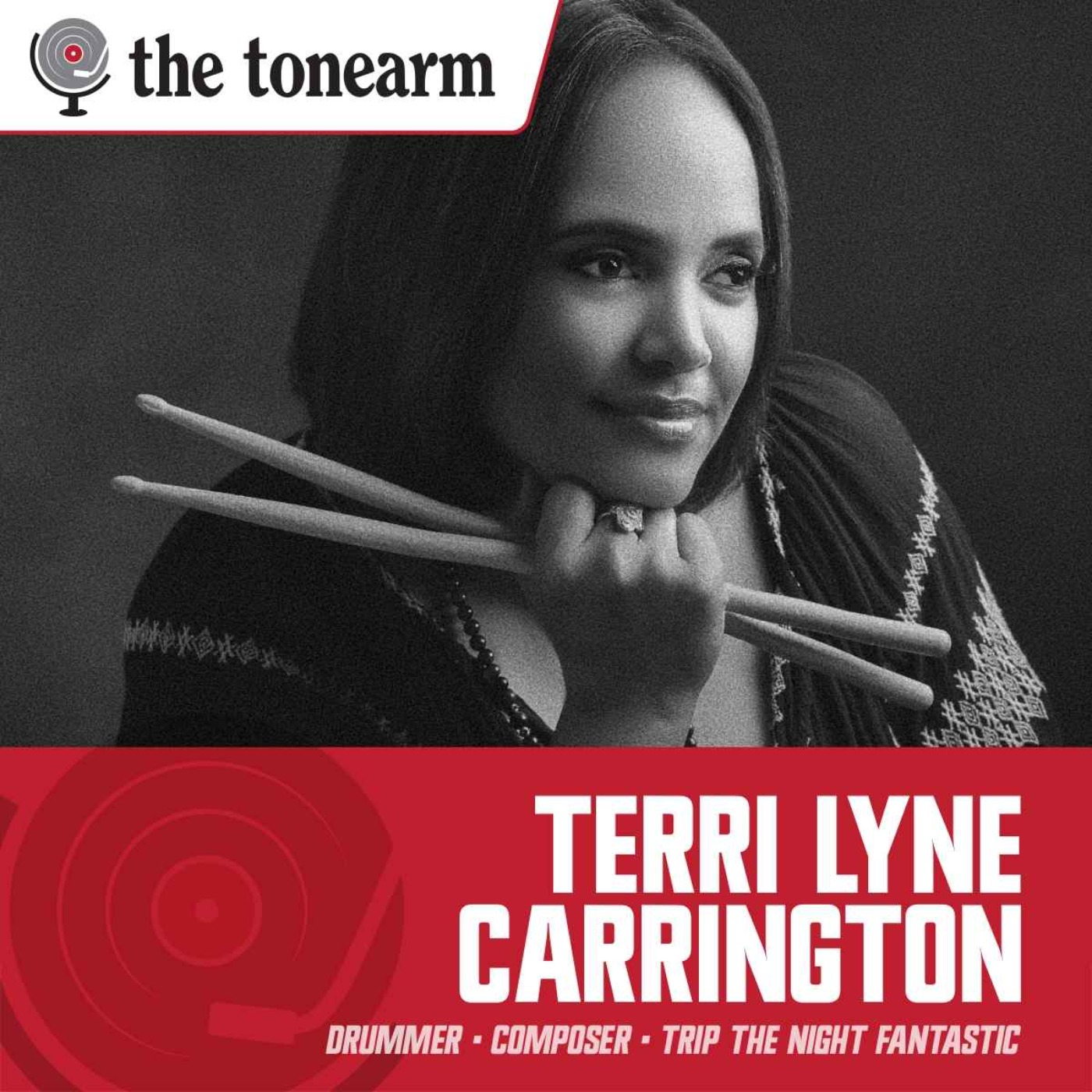
Terri Lyne Carrington: A Dance Record for Dark Times
The NEA Jazz Master and four-time Grammy winner joins us to discuss 'Trip the Night Fantastic,' the second album from Terri Lyne Carrington + Social Science, which sets deportation, prison abolition, and climate collapse to music for the dance floor.
Guest: Terri Lyne Carrington
316
Aug. 2, 2026
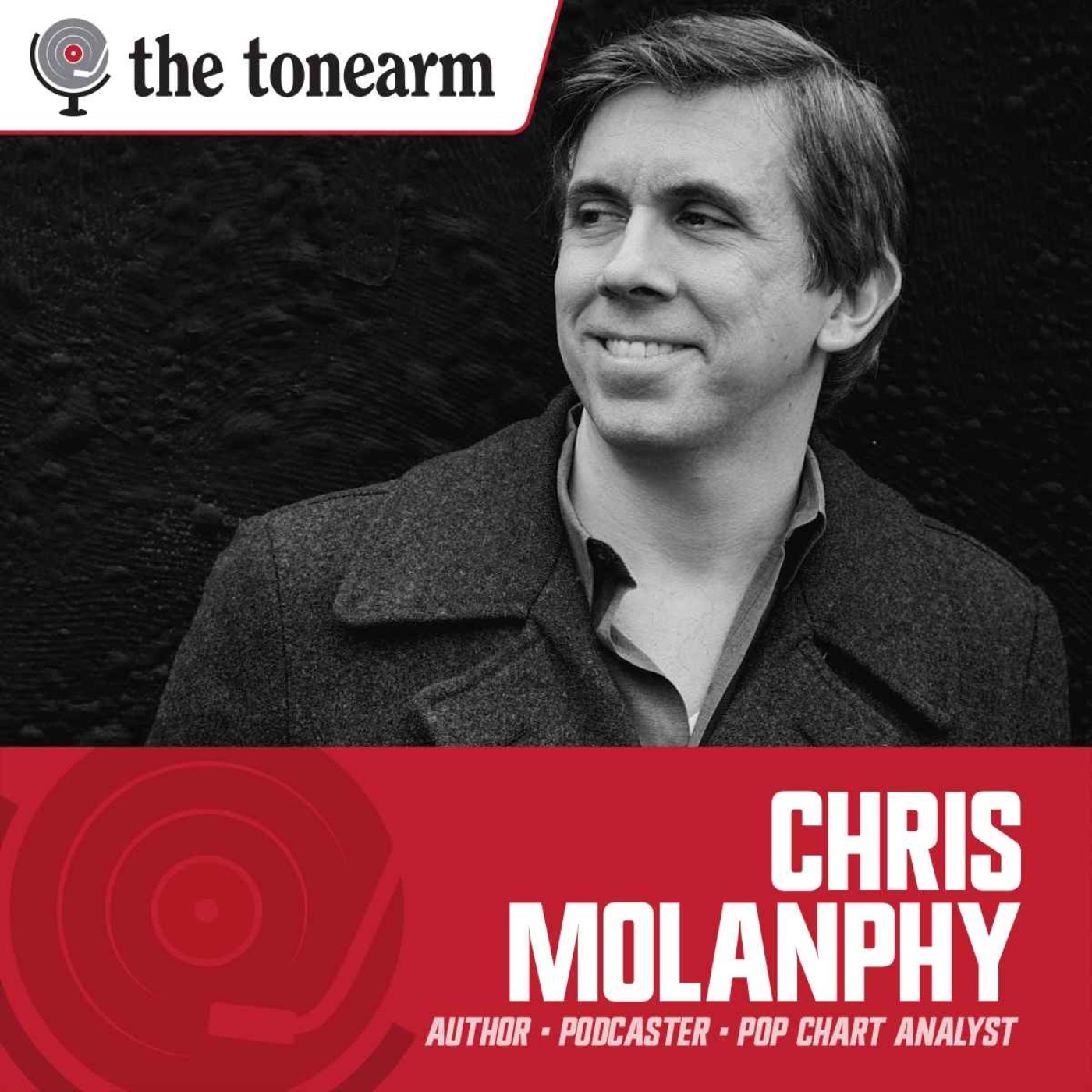
Chris Molanphy: One Chart to Rule Them All
The pop-chart analyst and 'Hit Parade' host joins us to discuss what better data revealed about hit songs, the slow end of the monoculture, and the cultural rules that keep outsiders off country radio.
Guest: Chris Molanphy
315
July 26, 2026
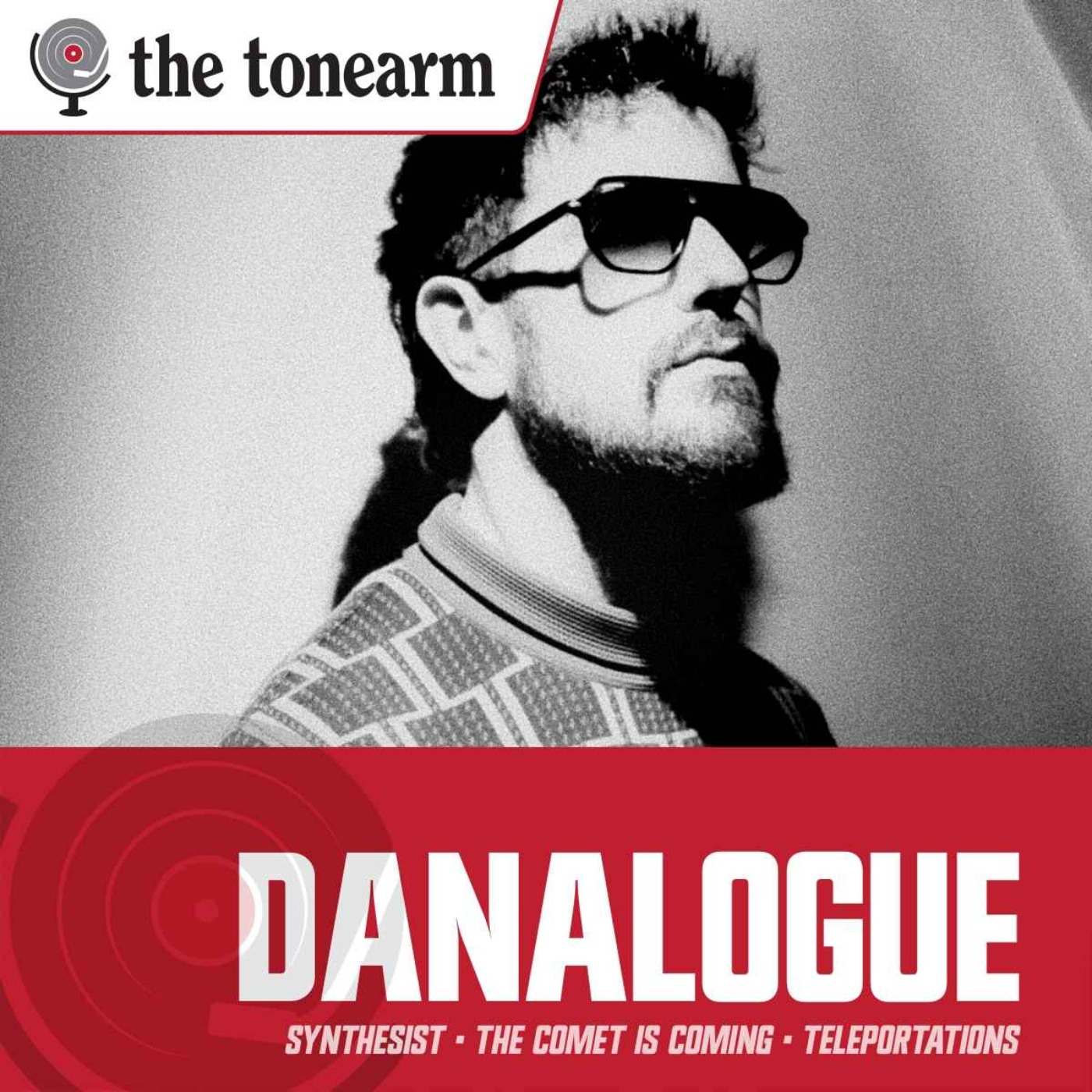
Danalogue: Telling the Future Through Old Machines
On his debut solo album, 'Teleportations,' the synthesist, producer, and founding member of The Comet Is Coming turns grief and upheaval into a science-fictional voyage built entirely from analog machines.
Guest: Danalogue

314
July 19, 2026
Suzanne Ciani: The Buchla's Orchestral Homecoming
The electronic music pioneer joins the podcast to discuss 'CIANI/ORKEST,' her live album pairing the Buchla synthesizer with the 50-piece Metropole Orkest, and why she has always heard the instrument as orchestral.
Guest: Suzannen Ciani
313
July 12, 2026
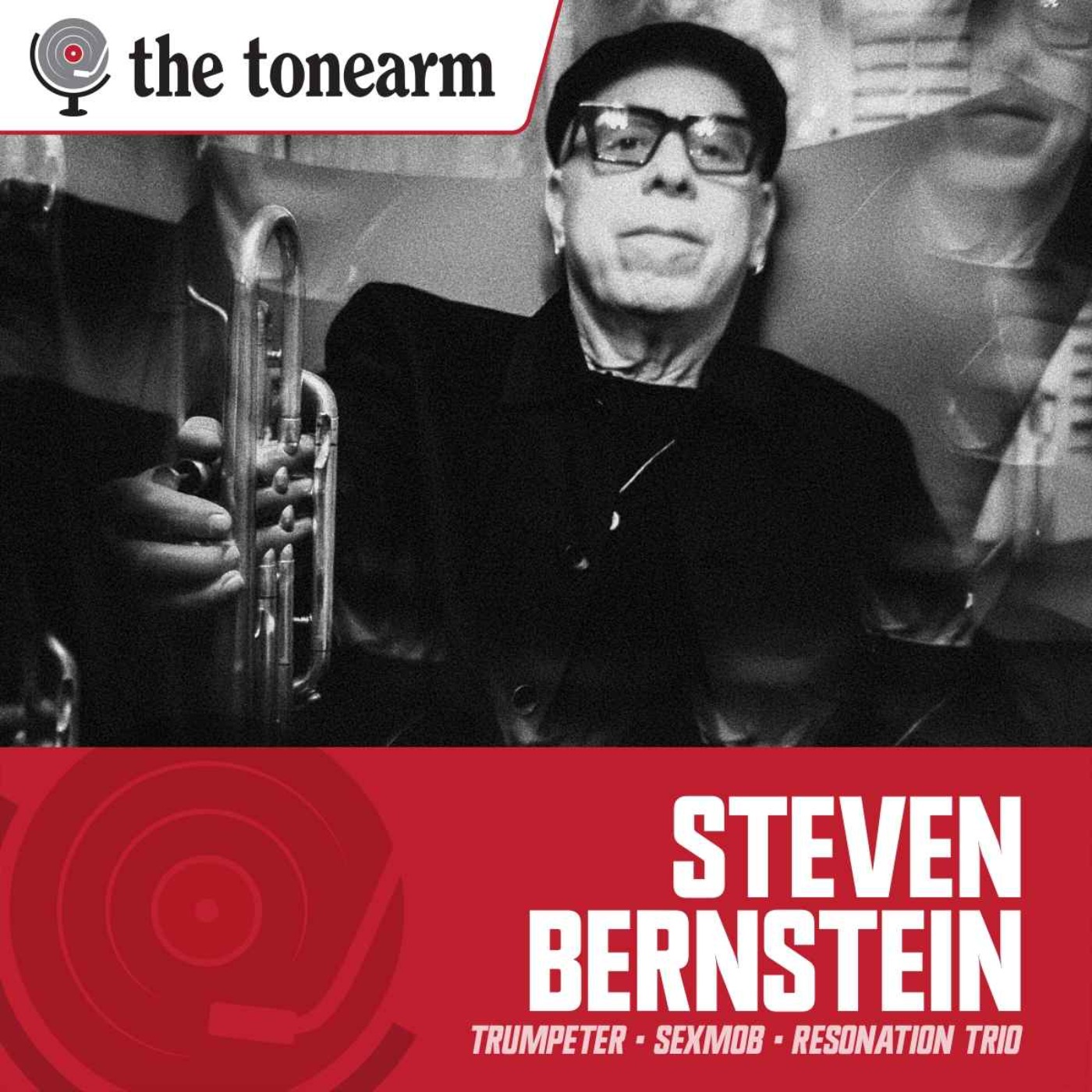
Steven Bernstein: The Trumpet's Blank Slate
The veteran trumpeter and arranger joins the podcast to discuss the twin albums 'ResoNation Trio' and 'Ultra Resonance,' Laurie Anderson's lesson that you never need permission to make art, and why this music dies if it stays in a museum.
Guest: Steven Bernstein

312
July 5, 2026
Alden Hellmuth: Saxophone Tethered to a Galaxy of Bass
Trained in the Jackie McLean tradition and later mentored by Herbie Hancock, Hellmuth explains how 'Tether' turns trust between bandmates into the record's actual structure.
Guest: Alden Hellmuth
311
June 28, 2026
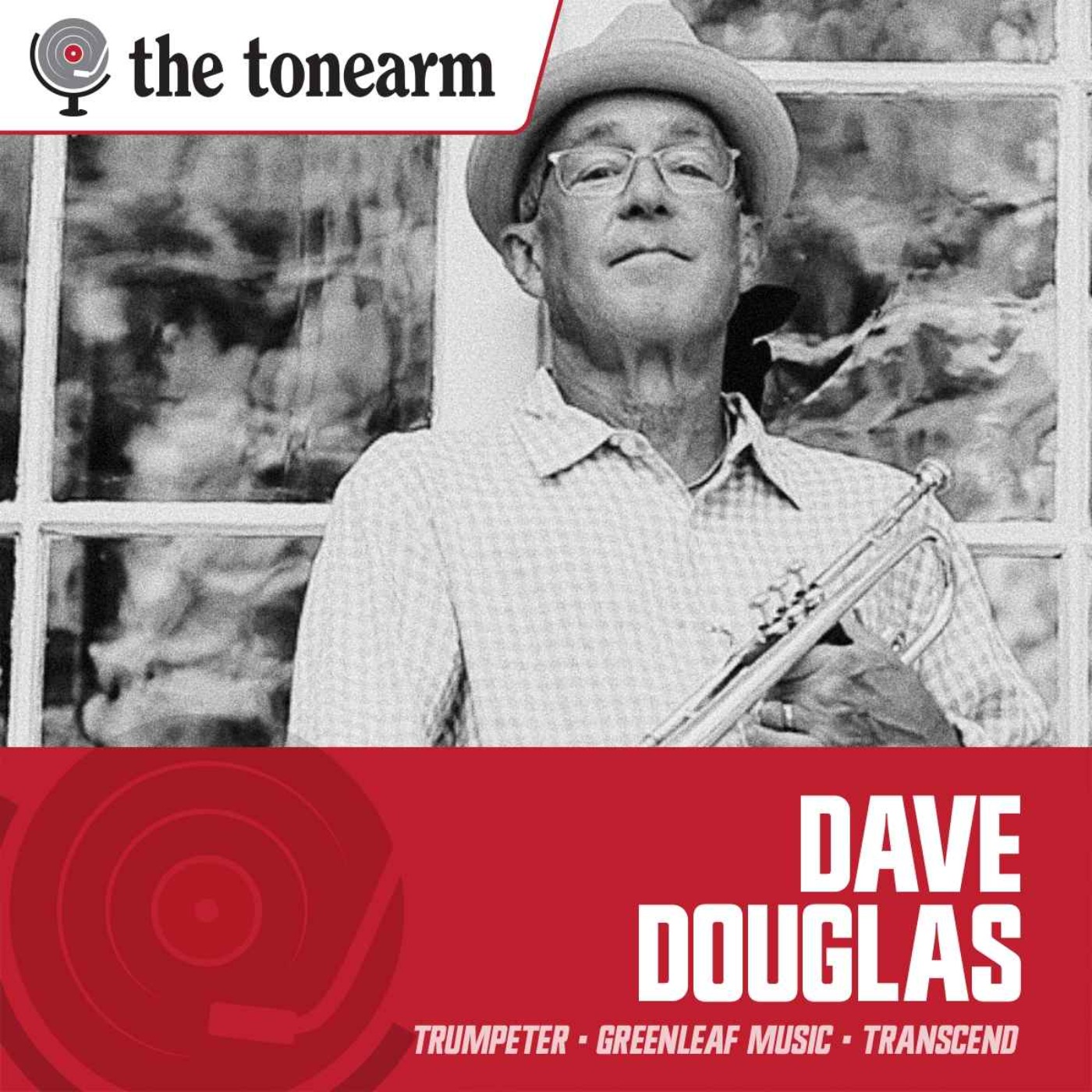
Dave Douglas: Transcend Is Not the End
Trumpeter and composer Dave Douglas discusses his album Transcend, the Jack Whitten retrospective that reshaped his thinking about raw material, and why Booker Little gave an entire generation of players permission to keep scrambling.
Guest: Dave Douglas

310
June 21, 2026
Ora Cogan: Hard Hearted Is How You Survive
Ora Cogan on the politics of 'Hard Hearted Woman,' the hollowing-out of folk tradition, and why her forties have been the best time of her life to be playing music.

309
June 14, 2026
Billy Polo: Audio Engineer as Archaeologist
From the Black Ark tapes buried in Lee Perry's yard to unreleased Dennis Brown sessions, Billy Polo on the forensic pleasures and urgent stakes of reggae's analog archive.
Guest: Billy Polo

308
June 7, 2026
Stephen Emmer: Composing at the Edge of Silence
The Dutch composer joins Lawrence Peryer to discuss 'Asymmetrical Dot,' the album shaped by his mother's death, a grandson's birth, and four decades of learning which clichés to reject.
Guest: Stephen Emmer
307
May 31, 2026
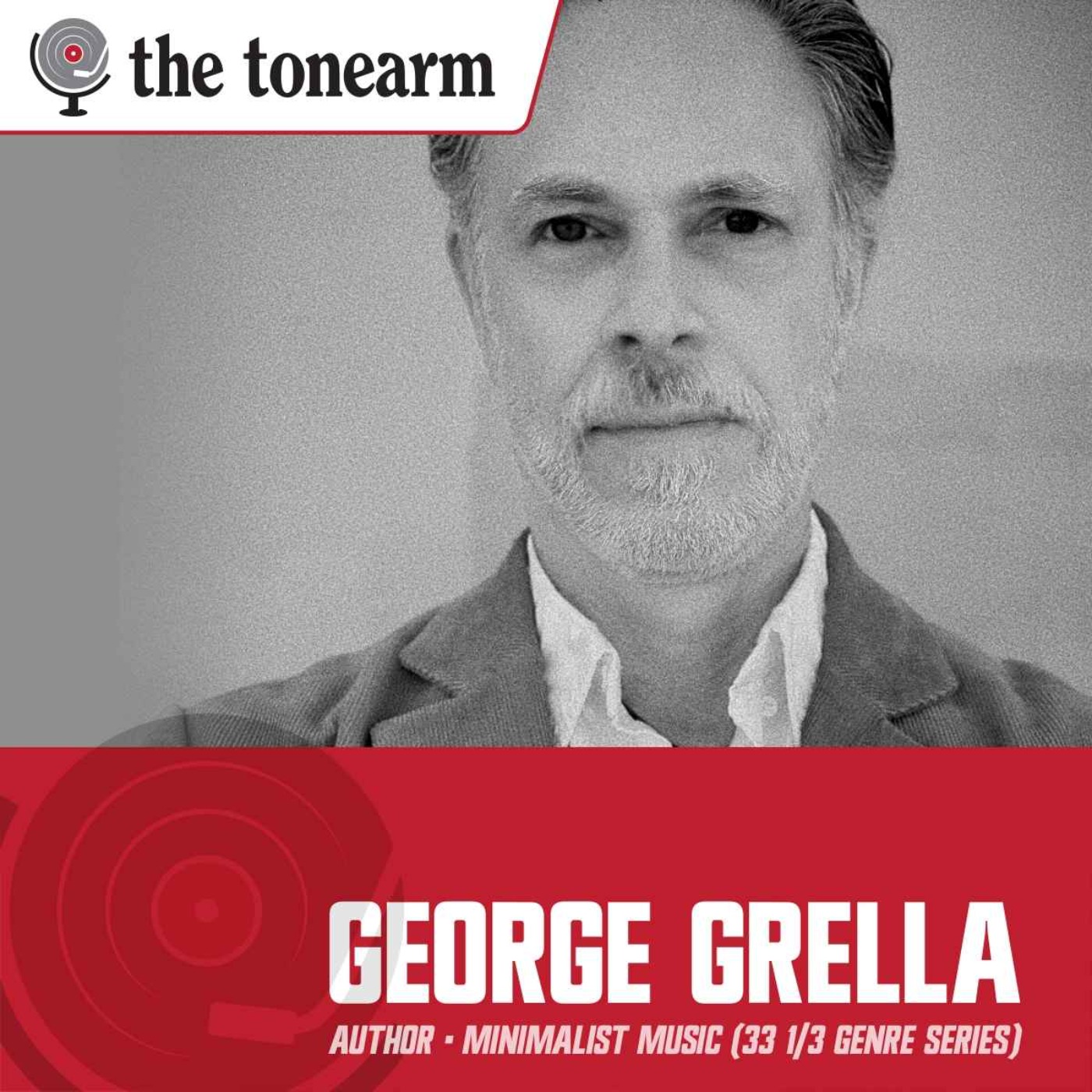
George Grella: The Time-Bending Art of Minimalist Music
George Grella joins the podcast to discuss his book Minimalist Music and argue that the genre has nothing to do with sparse materials and everything to do with time.
Guest: George Grella

306
May 24, 2026
Meredith Bates: The Quiet Science of Sound Worlds
On ‘The Observer Effect’, Canadian composer Meredith Bates builds long-form sound worlds from violin, electronics, and the recordings of the natural world—and finds that art, love, and politics are harder to separate than they appear.
305
May 17, 2026
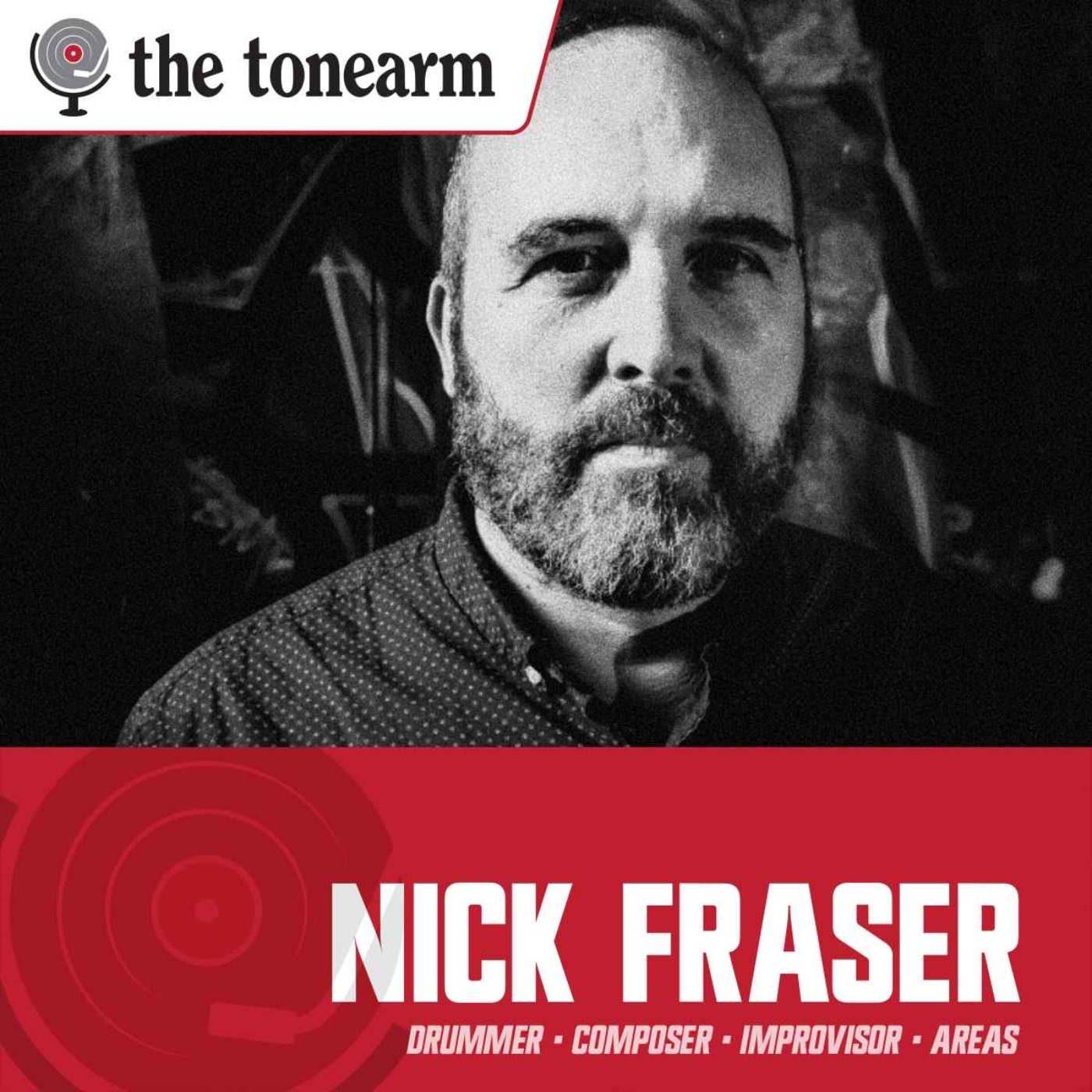
Nick Fraser: Still Screaming Into the Snare Drum
Toronto drummer Nick Fraser discusses 'Areas,' his long creative partnership with Kris Davis and Tony Malaby, and what committing to acoustic music costs when electronics define the contemporary sound.
Guest: Nick Fraser

304
May 10, 2026
Maria Schneider: Composing in the Age of Curated Rage
Composer, bandleader, birder, and unapologetic alarm-sounder, Maria Schneider brings 'American Crow' to The Tonearm for a conversation about listening as both artistic practice and civic obligation.
303
May 3, 2026
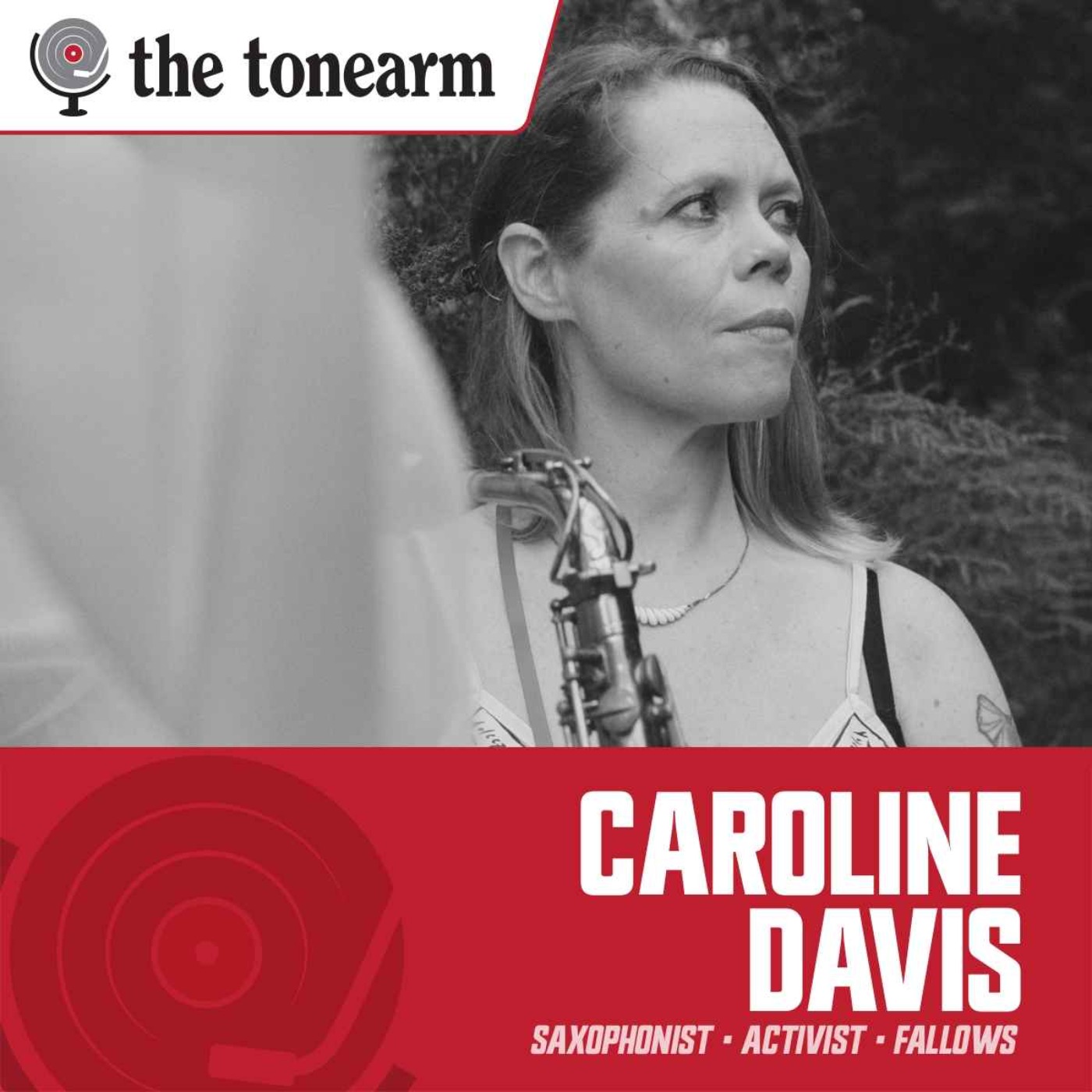
Caroline Davis: The Saxophone Reimagined in the Fallows
Armed with a saxophone, an Organelle, and an aluminum can, Caroline Davis spent a month in Wyoming making her debut solo record—and thinking about freedom in all its forms.

302
April 26, 2026
Miho Hazama: The Conductor Who Leads with Love
The Grammy-nominated composer and chief conductor of the Danish Radio Big Band discusses her new album Frames, the death of her mentor Jim McNeely, and why love is the only honest reason to make music.

301
April 19, 2026
Tomeka Reid: The Low Seat, the Long Haul, and 'dance! skip! hop!'
Cellist and composer Tomeka Reid joins the podcast to discuss dance! skip! hop!, the fourth Tomeka Reid Quartet album, and why photographs of her grandmother's Wyoming life keep finding their way onto her record covers.

300
April 12, 2026
Ben Wendel: Assembling the Mallet Avengers
The Grammy-nominated saxophonist and Kneebody co-founder joins us for episode 300 to discuss his new album BaRcoDe, a project built around four of the most inventive mallet players working today.